Overview
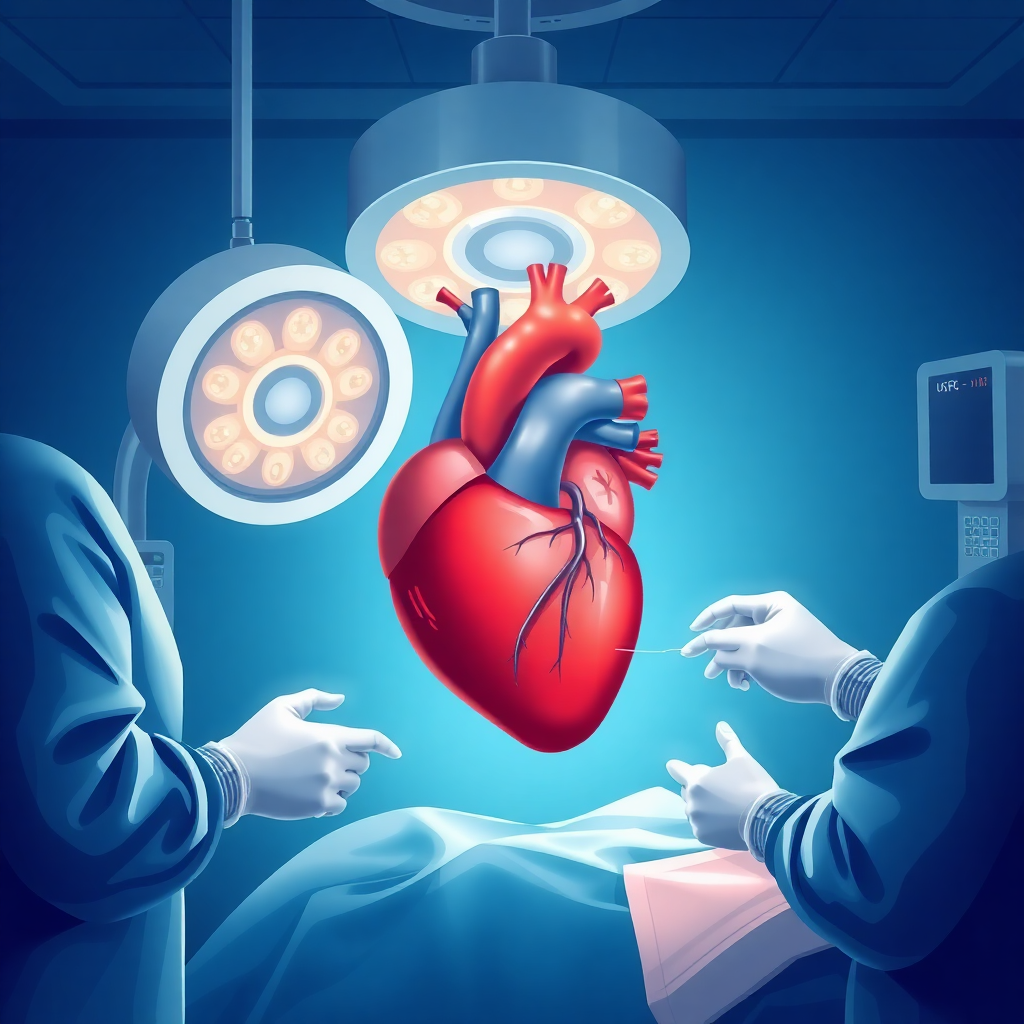
A heart transplant is an operation in which a failing, diseased heart is replaced with a healthier, donor heart. Heart transplant is a treatment that's usually reserved for people who have tried medications or other surgeries, but their conditions haven't sufficiently improved.
Heart transplants are done as a life-saving measure for end-stage heart failure. Because donor hearts are in short supply, patients who need heart transplants go through a careful selection process. They must be sick enough to need a new heart, yet healthy enough to receive it.
Success Rates & Outcomes
Survival rates for people receiving heart transplants have improved significantly, especially in the first year after the transplant.
Recovery & Life After Transplant
After the surgery, most heart transplant patients can return to their normal levels of activity. However, less than 30 percent return to work for many different reasons.
Important: Regular follow-up care and medication adherence are crucial for long-term success after heart transplant surgery.
Historic Achievement
Dr. Anil Sharma performed the first successful heart transplant in the government sector of North India on January 16, 2020 at SMS Hospital, Jaipur. This groundbreaking achievement has opened doors for many patients who previously could not access this life-saving treatment.