Overview
Coronary artery bypass grafting (CABG) is performed to restore blood flow to the heart muscle when coronary arteries become blocked or narrowed. You will have general anesthesia for the surgery.
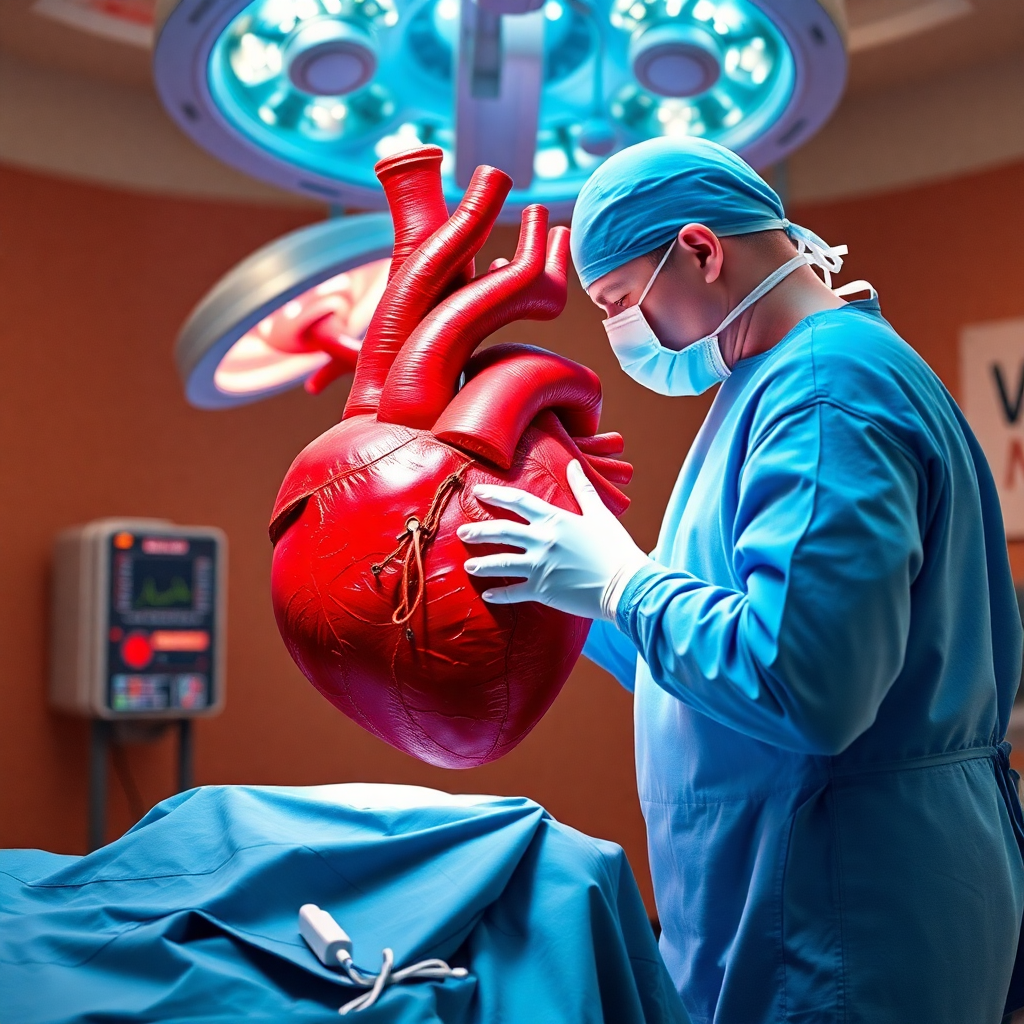
The first step in the surgery is for the surgeon to prepare the arteries or remove the veins that will be used as bypass grafts. Next, the surgeon makes an incision down the center of your chest, through your sternum (breast bone), so your heart and coronary arteries can be seen.
Surgical Techniques
On-Pump Surgery (Traditional CABG)
Your heart will likely be stopped for a short time so the surgeon can perform the bypass procedure on a "still" heart. During this time, the heart-lung bypass machine takes over for the heart and lungs, so blood keeps moving throughout the rest of the body.
The pump is turned off after the grafts are in place. Your heartbeat and blood flow return to normal.
Off-Pump / Beating Heart Surgery
The surgery can sometimes be done without using the heart-lung machine, while your heart is still beating. This is called "off-pump" or "beating heart" surgery. This technique reduces complications and offers faster recovery for appropriate candidates.
Key Benefits
Restores Blood Flow
Improves blood supply to the heart muscle
Reduces Chest Pain
Alleviates angina and related symptoms
Improves Heart Function
Enhances overall cardiac performance
Reduces Heart Attack Risk
Lowers the risk of future cardiac events
Expert Bypass Surgery
Dr. Anil Sharma specializes in both traditional and beating heart CABG procedures. With extensive experience in minimally invasive coronary artery bypass surgery, patients benefit from reduced complications and faster recovery times compared to traditional open-heart surgery.